Breakfast is not magic. Here is how HUSTLE helps members decide whether eating before training supports their energy, appetite, performance and goals.
Breakfast is one of those topics people often feel they should have a firm rule for.
Some people have been told it is the most important meal of the day. Others have been told skipping it is better for fat loss. Some feel awful training without food. Others feel sluggish if they eat too close to a morning session.
At HUSTLE, we do not treat breakfast as a rule everyone has to follow. The question isn't, “Is breakfast good or bad?” The question is, “Does your current eating pattern support your training, energy, appetite and goals?”
That answer will not be the same for everyone.
Breakfast simply means the first meal that breaks your overnight fast. For some people that happens at 6.30am for others, it happens at 10am or lunchtime.
That does not automatically make one person right and the other wrong.
The body does not switch into a better version of itself just because you ate cereal at 7am. Equally, skipping breakfast does not automatically make you disciplined or better at fat loss.
What matters is what happens across the whole day and whether the pattern you choose helps you stay consistent.
Breakfast can be a very good idea if skipping it causes problems later.
We would usually look at breakfast more closely if someone says:
• They feel flat or light-headed during morning training.
• Their concentration drops mid-morning.
• They end up ravenous by lunchtime.
• They make poor food choices later because they have gone too long without eating.
• They struggle to hit their protein target by the end of the day.
• They have a physically demanding job and need energy.
• They need food with medication, or have a medical reason not to train fasted.
In those situations, breakfast is not important because of the word breakfast. It is important because it solves a real problem.
Some people genuinely do not feel hungry first thing. Some train better without food sitting in their stomach, some prefer eating more later in the day and still hit their protein, calories and nutrition targets overall.
If skipping breakfast does not affect your energy, training quality, appetite, food choices or consistency, there may be no need to force it.
That is the key point, the decision should be based on what actually happens, not on a rule you picked up years ago.
Eating breakfast does not automatically cause fat loss. Skipping breakfast does not automatically cause fat loss either.
Fat loss comes down to the bigger pattern: total food intake, training, daily movement, protein, sleep, stress, adherence and how consistently you can keep the routine going.
For one person, breakfast might help because it reduces cravings and overeating later. For another, skipping breakfast might help because they prefer a later eating window and it makes their day easier to manage.
The mistake is turning either approach into a universal rule.
One of the most common worries is that skipping breakfast will “shut down” your metabolism.
That is not how it works. Your body does not stop using energy because you have delayed your first meal.
However, skipping breakfast can still affect behaviour. If it means you move less, train with less intensity, feel more tired, or make reactive food choices later, then it may indirectly work against your goal.
That is why we care less about the theory and more about the outcome in real life.
If someone asked us whether they should eat breakfast before training, we would not answer with a blanket yes or no.
We would look at:
• What time they train.
• How they feel during sessions.
• Whether they are hungry in the morning.
• What they eat the night before.
• Whether they hit enough protein across the day.
• How their food choices look at lunch and dinner.
• Whether their job is desk-based or physically demanding.
• Whether their current routine is sustainable.
That gives a much clearer answer than following a headline about breakfast being essential or unnecessary.
If you are unsure, test it. Do not guess.
For one week, have a simple breakfast before training. For the next week, skip it or delay it, assuming there is no medical reason not to. Keep the rest of your routine as similar as possible.
Then track five things:
1. How your training session felt.
2. Your energy through the morning.
3. Your hunger by lunch.
4. Your food choices later in the day.
5. How easy the routine felt to repeat.
The answer is usually obvious once you stop debating the theory and look at the pattern.
Breakfast does not need to be complicated. If you train early, you may not want a big meal. That is fine.
Useful options could include:
• Greek yoghurt with fruit.
• Eggs on toast.
• A protein shake and a banana.
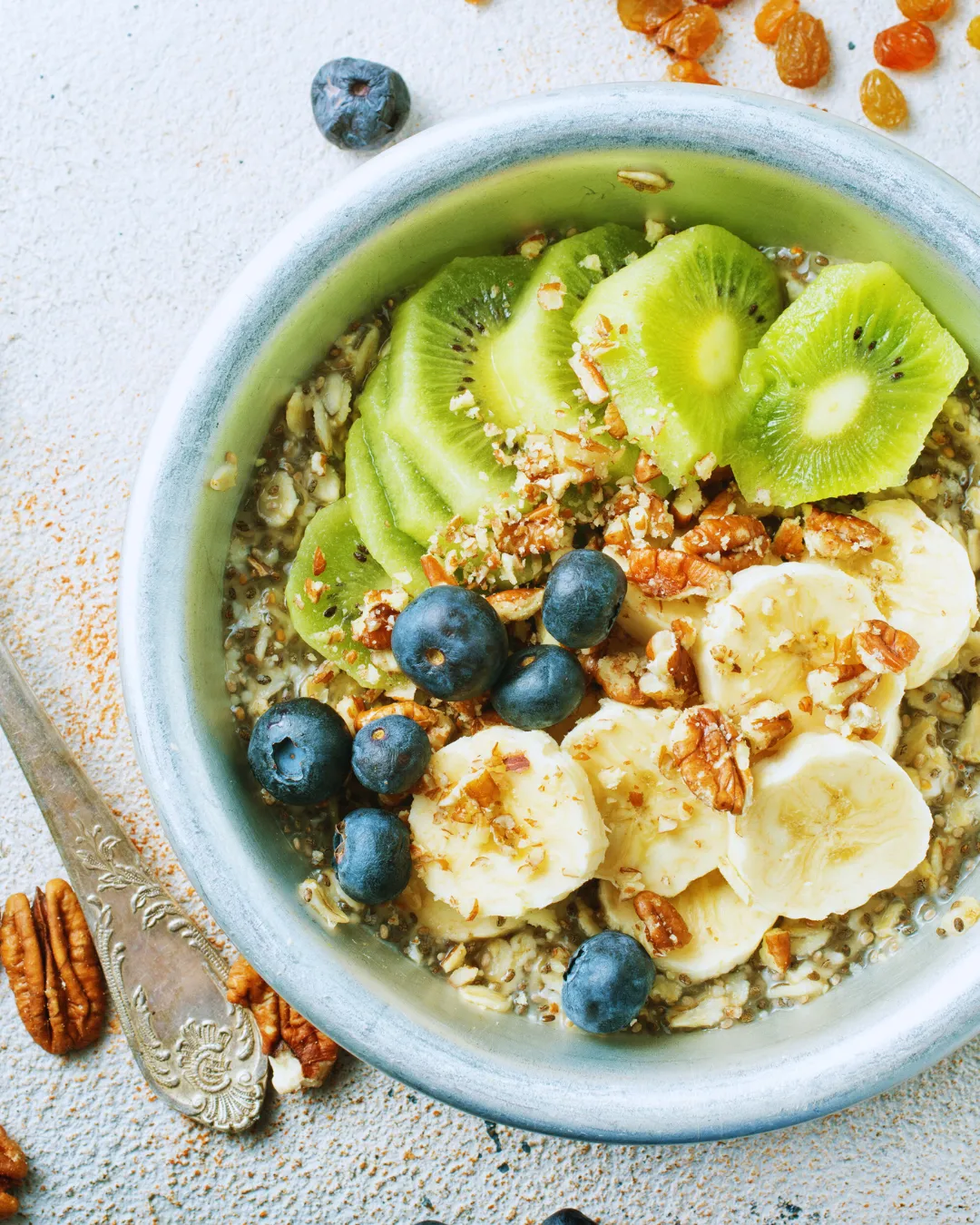
• Overnight oats with yoghurt/protein powder.
Breakfast is not the most important meal of the day for everyone.
For some people, it helps energy, training and appetite. For others, it is unnecessary and forcing it makes their routine harder.
The right answer is the one that supports your training, helps you make better food choices, and fits the life you actually live.
For personalised nutrition advice join our 6 Week Kickstart
